Psychedelic-assisted therapy (PAT) is an emerging approach to mental health care that combines psychotherapy with carefully structured psychedelic experiences. Interest in these therapies has grown rapidly in recent years as researchers investigate their potential to support people living with depression, trauma, anxiety, and other psychological challenges.
Unlike traditional treatments that rely on daily medication, psychedelic-assisted therapy often involves only a small number of guided experiences combined with psychotherapy before and after the experience. In many research studies, individuals participate in preparation sessions, a supported psychedelic session, and follow-up integration sessions to help translate insights into lasting change.
Understanding Psychedelic-Assisted Therapy
What are Psychedelics?
Psychedelic compounds can significantly alter perception, emotion, and one’s sense of self. They may produce changes in sensory experience, emotional processing, and consciousness, sometimes leading to deeply meaningful or transformative experiences.
Classic psychedelic compounds include:
Psilocybin (found in certain mushrooms)
LSD (lysergic acid diethylamide)
DMT (dimethyltryptamine)
Mescaline
Ketamine
Other compounds sometimes used in psychedelic-assisted therapy research include MDMA and ketamine, which affect the brain through different mechanisms but may produce related therapeutic effects.
Researchers believe these substances may influence brain networks involved in self-reflection and emotional processing while also increasing neuroplasticity, the brain’s ability to form new connections and patterns of thinking.
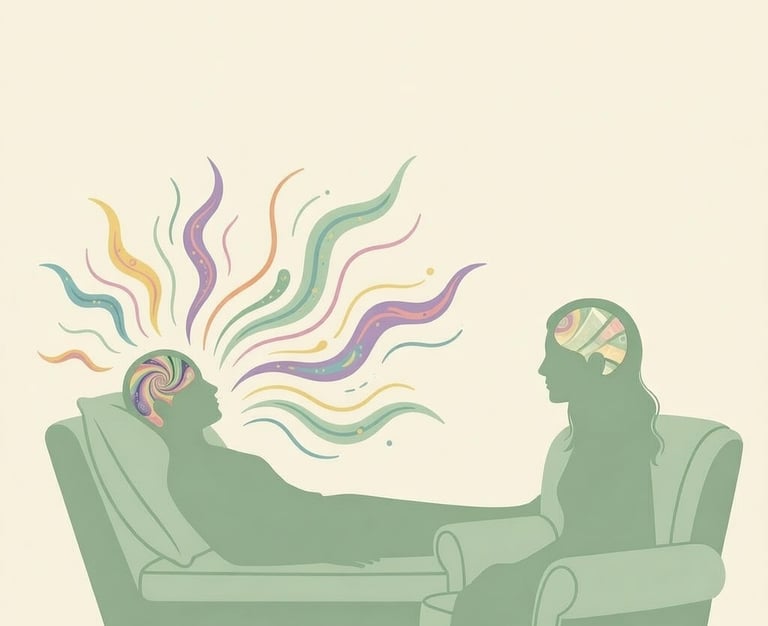
The Psychedelic Experience
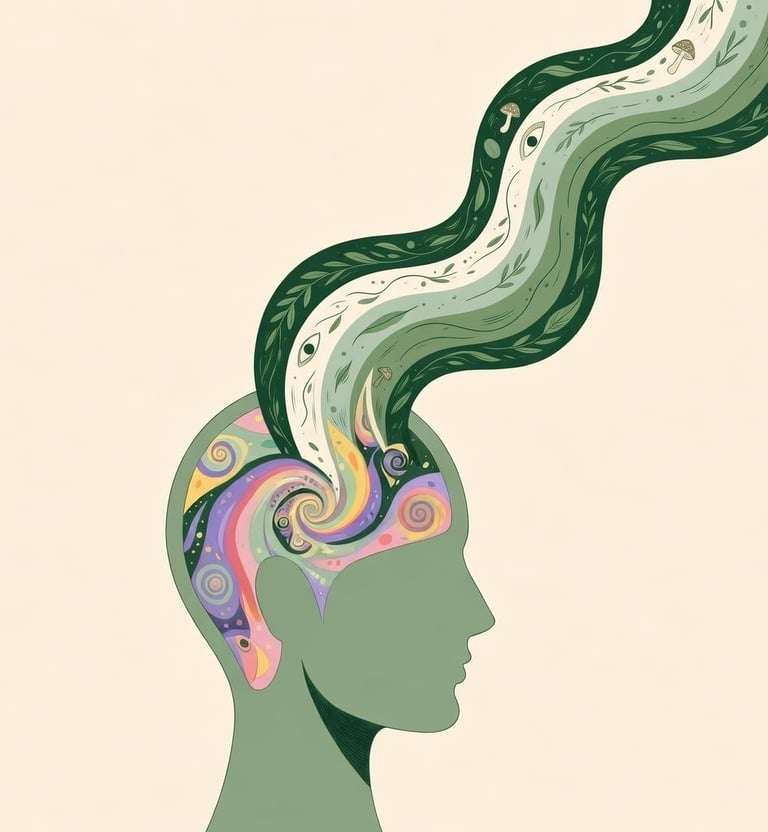
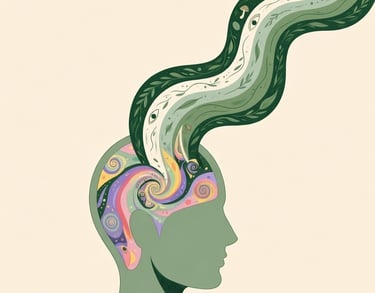
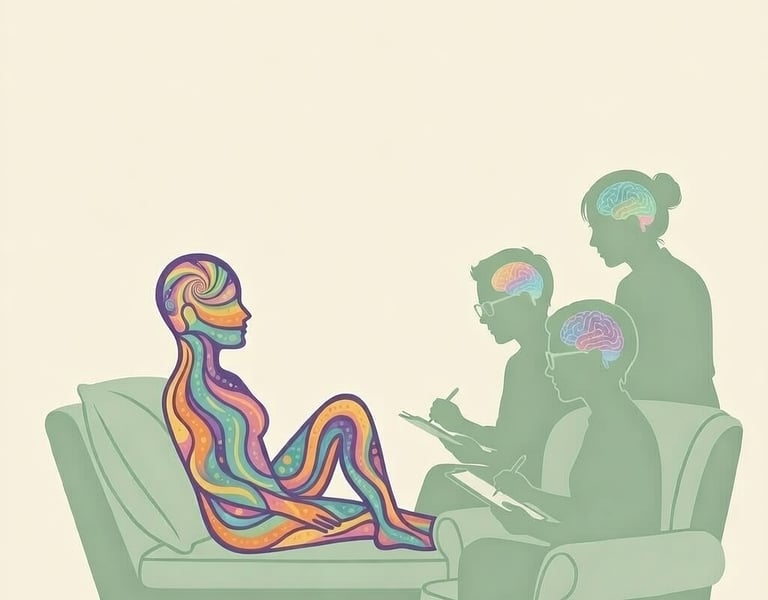
During a psychedelic session, individuals may experience changes in perception, emotions, or their sense of self. Some people report powerful personal insights, shifts in perspective, or experiences that feel deeply meaningful.
These experiences can include emotional breakthroughs, shifts in how personal memories are understood, or a sense of connection with oneself or others.
In research settings, these sessions are typically conducted in carefully designed environments with trained professionals present to provide safety and support.
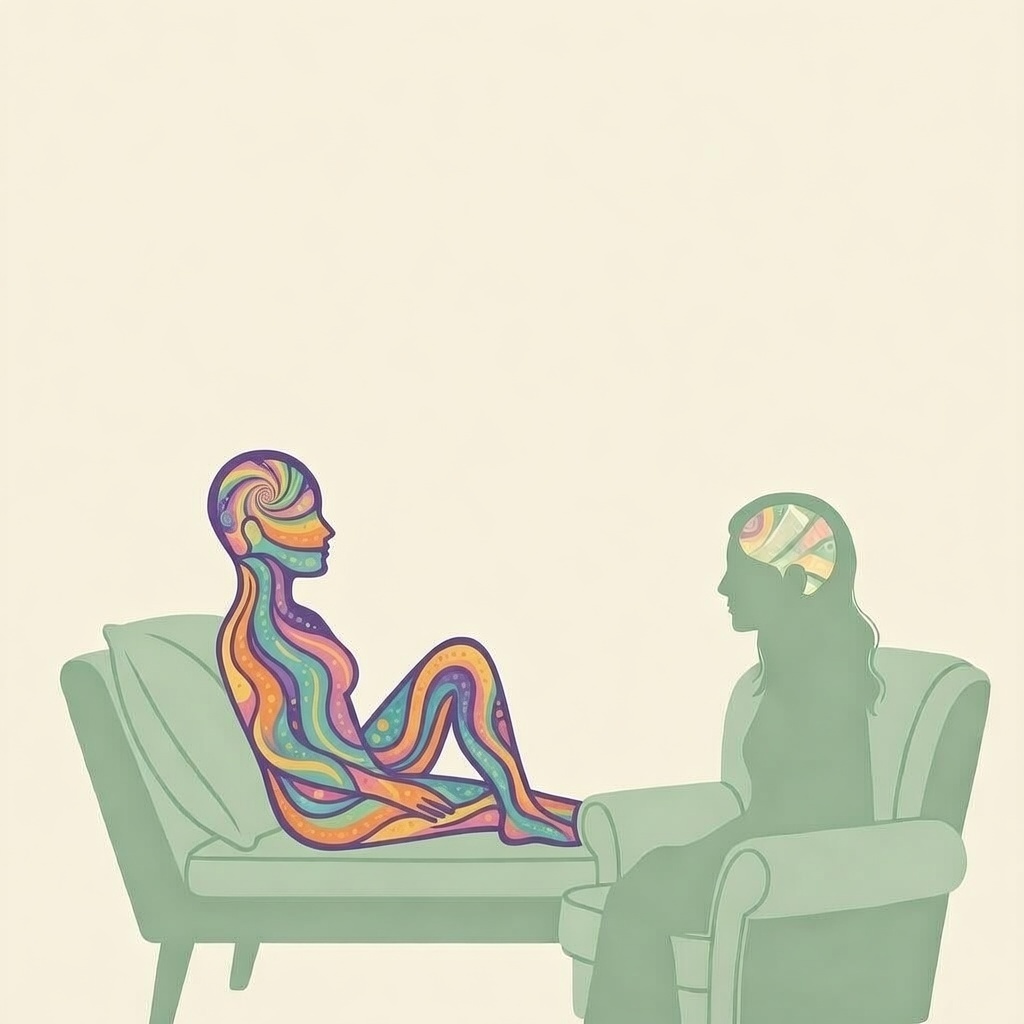
Preparation
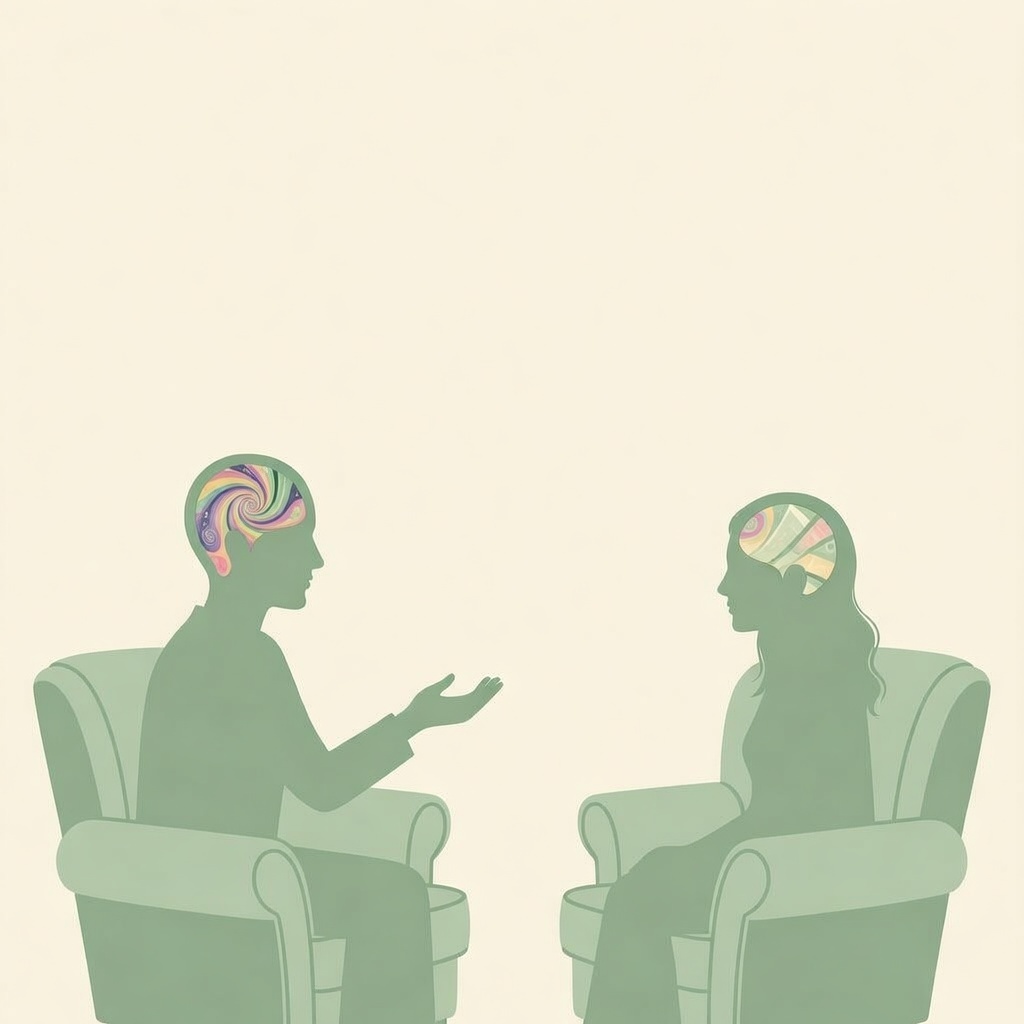
Preparation sessions focus on building trust with a therapist, exploring intentions, and preparing emotionally for the experience. These conversations help individuals clarify what they hope to explore and create a sense of safety going into the experience.
Research suggests that mindset and environment, sometimes referred to as “set and setting,” can strongly influence psychedelic experiences. Thoughtful preparation helps reduce risks and increases the likelihood of meaningful outcomes.
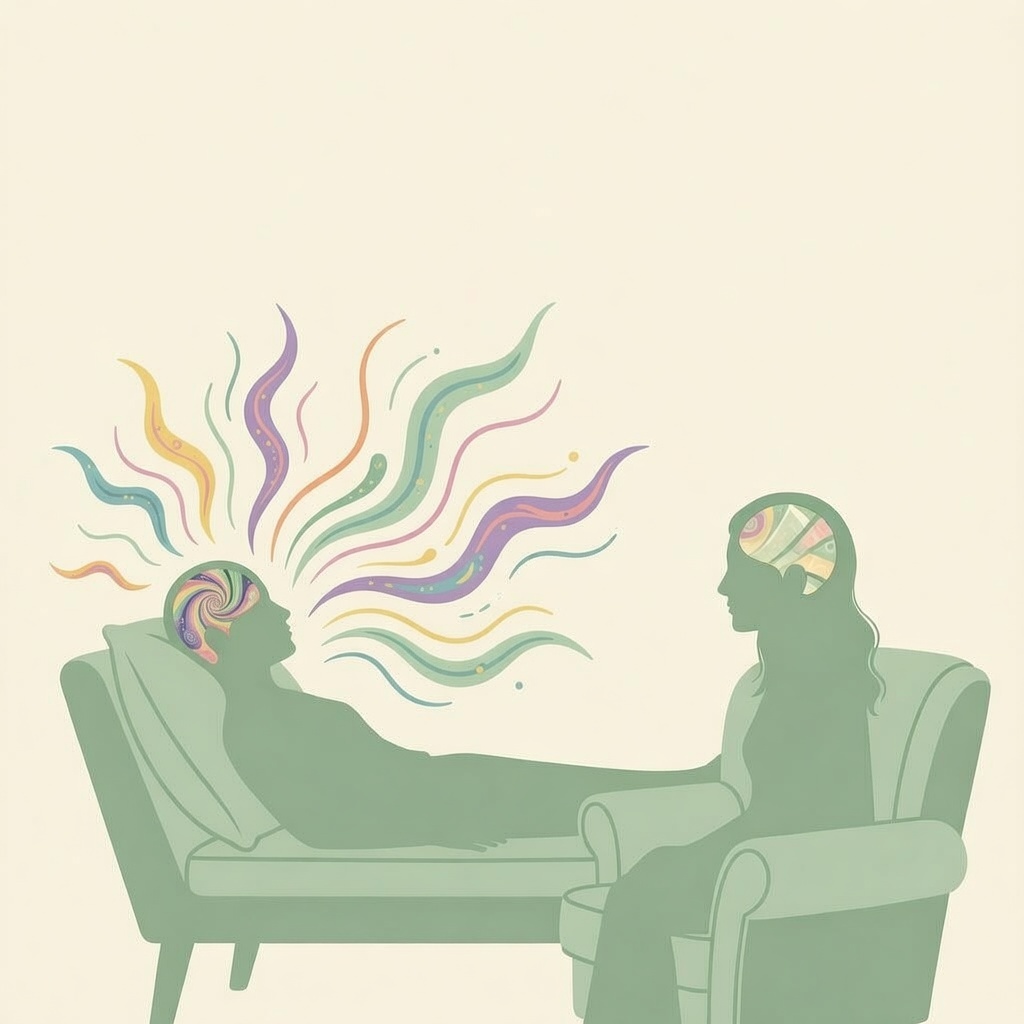
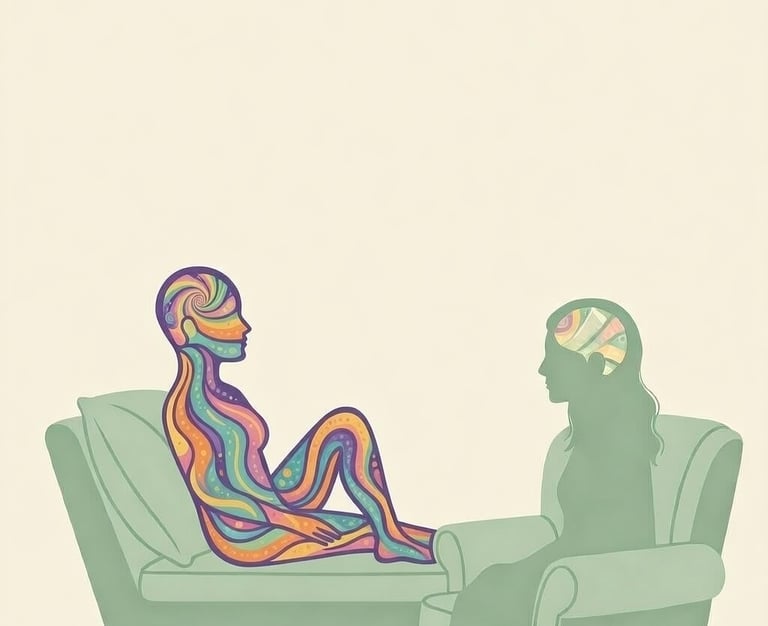
Integration sessions occur after the experience and are an essential part of psychedelic-assisted therapy. During these conversations, individuals reflect on their experience and explore how the insights gained can be applied to daily life.
Integration helps transform a powerful experience into meaningful and lasting change, supporting emotional processing, behavioral shifts, and new perspectives on personal challenges.
Integration
The Three Phases of Psychedelic-Assisted Therapy
Conditions Being Studied
Researchers are currently studying psychedelic-assisted therapies for a variety of mental health conditions.
Some of the most common areas of research include:
Treatment-resistant depression
Post-traumatic stress disorder (PTSD)
Anxiety disorders
Substance use disorders
Alcohol use disorder
Early research findings suggest psychedelic-assisted therapy may offer new possibilities for people who have not experienced significant improvement with traditional treatments.
However, these treatments remain under investigation, and outcomes can vary between individuals.
Ongoing Research
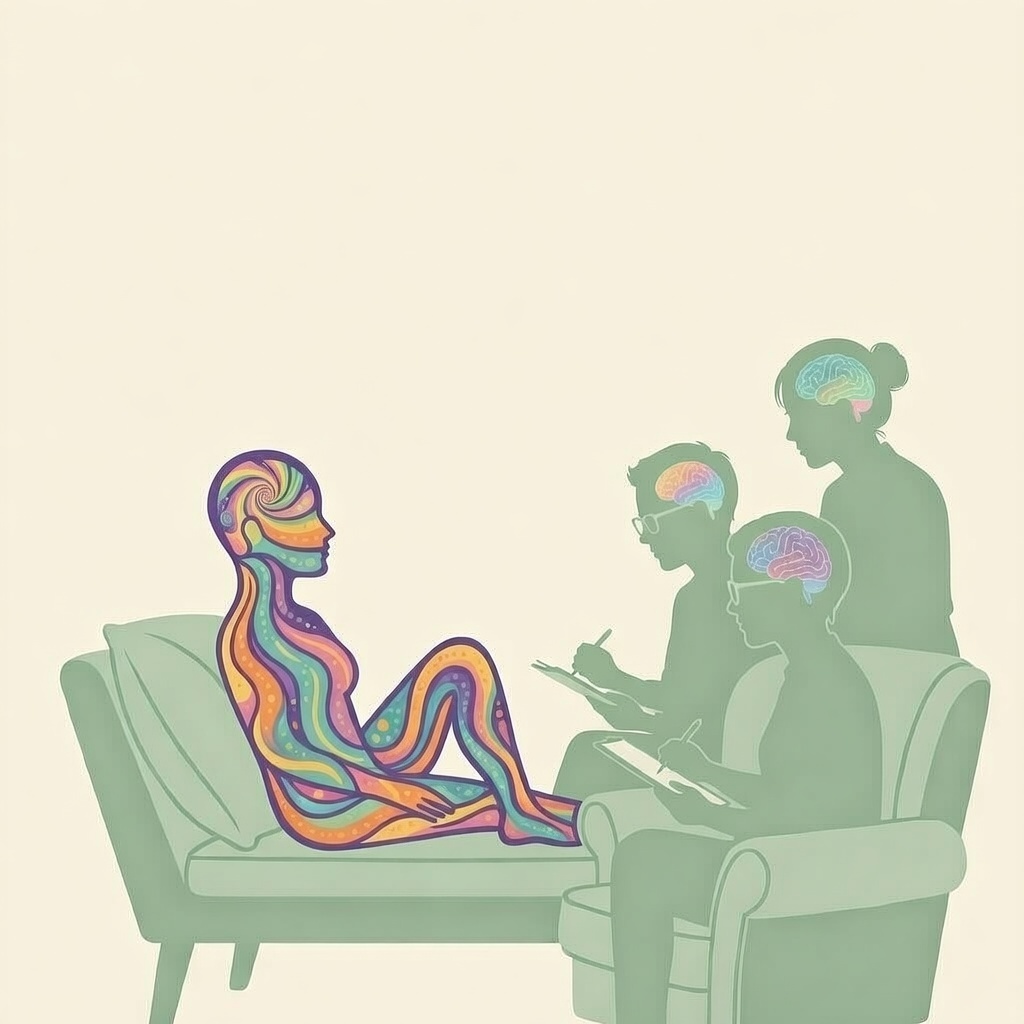
While psychedelic compounds can produce powerful experiences, clinical research suggests that when used in controlled settings with screening, preparation, and professional support, they may have a relatively favorable safety profile.
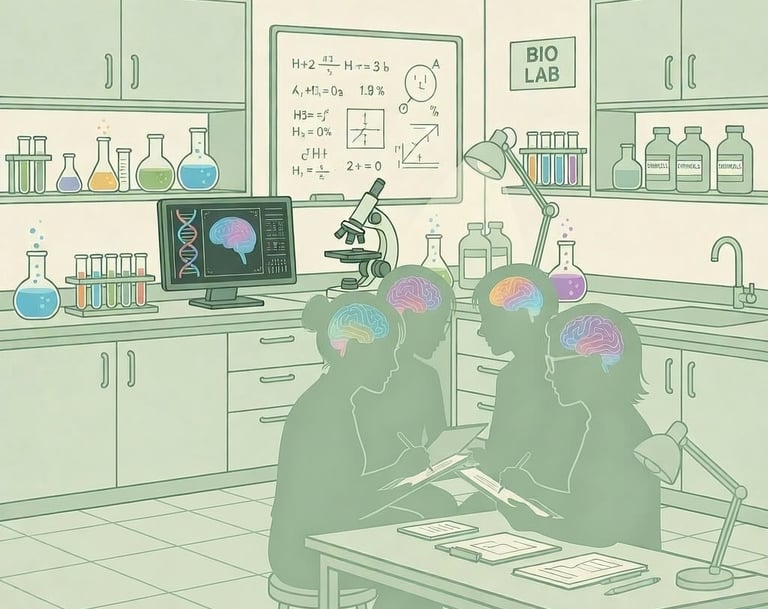
At the same time, psychedelic experiences can also be emotionally intense, and they are not appropriate for everyone. Researchers continue to study how these therapies work, who may benefit most, and how they can be delivered safely and ethically.
Despite growing interest, regulatory approval and clinical use continue to evolve, and many treatments are still being studied in clinical trials.
Psychedelic-assisted therapy (PAT) is an emerging approach to mental health care that combines psychotherapy with carefully structured psychedelic experiences. Interest in these therapies has grown rapidly in recent years as researchers investigate their potential to support people living with depression, trauma, anxiety, and other psychological challenges.
Unlike traditional treatments that rely on daily medication, psychedelic-assisted therapy often involves only a small number of guided experiences combined with psychotherapy before and after the experience. In many research studies, individuals participate in preparation sessions, a supported psychedelic session, and follow-up integration sessions to help translate insights into lasting change.
Learning More
Not Sure Where to Start?
If you're curious about psychedelic-assisted therapy or wondering whether this support is right for you, feel free to reach out.
We’ll get back to you as soon as possible.
psychedelicassistedtherapy@proton.me
© 2026. All rights reserved.
Important: This practice does not provide psychedelic substances.
Services are limited to psychotherapy, preparation, journey resources and integration support related to psychedelic experiences.
This website does not provide emergency services. If you are in crisis or need immediate help,
call 911 or contact Talk Suicide Canada at 1-833-456-4566.